
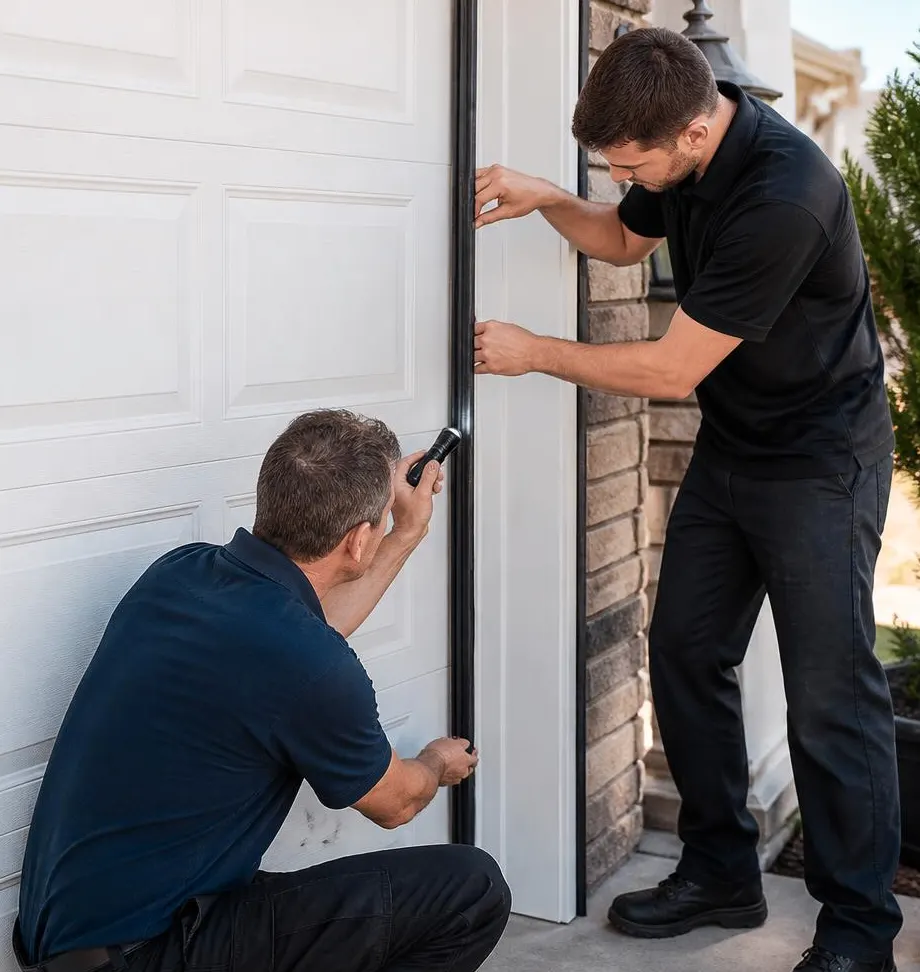
The Morning You Notice Your Garage Door Isn't What It Used to Be
It usually happens on a muggy morning after a few days of heavy rain. You hit the opener button and the door groans instead of gliding, or it catches halfway up because a bottom panel has swollen against the track. Maybe you walk past the garage and spot a bubble of rust creeping along the bottom edge, right where water pools after every afternoon downpour. None of this means your door is broken beyond repair — it usually means the material it's made from is losing a slow fight with Central Florida humidity, heat, and storm-season wind.
If you're facing a replacement decision, the material you choose matters more here than it does in a dry, mild climate. Here's how the common options actually hold up.
Comparing the Common Garage Door Materials
Steel
- Strengths: Strong, affordable, available in wind-rated and impact-rated configurations that matter during hurricane season. Low-maintenance when properly coated.
- Weaknesses: Can rust at dents, scratches, and the bottom edge if the galvanized coating is compromised or paint chips. Thin, low-end steel can dent in a storm or from a stray bike.
- Climate fit: Good, provided you choose a quality galvanized or galvalume steel with a baked-on finish, not bare or thin-gauge steel.
Wood
- Strengths: Unmatched curb appeal, can be stained or painted to match any home style.
- Weaknesses: Absorbs moisture, which causes swelling, warping, and sticking in tracks during Florida's humid stretches. Needs regular sealing or repainting to resist rot, and heavy afternoon rain speeds up wear if the door isn't well-protected by an overhang.
- Climate fit: Workable if you're committed to maintenance, but it's the highest-upkeep option in this climate by a wide margin.
Aluminum
- Strengths: Lightweight, won't rust, often used in doors with large glass panels for a modern look.
- Weaknesses: Dents easily and can flex or warp under strong wind gusts since it lacks steel's rigidity. Lighter doors need reinforced bracing to meet wind-load expectations in storm season.
- Climate fit: Fine for carriage-style or glass-panel doors on garages that aren't taking direct storm exposure, less ideal as a primary storm-resistant door unless reinforced.
Fiberglass
- Strengths: Resists rot, rust, and moisture swelling completely. Holds paint well and can mimic wood grain without the maintenance.
- Weaknesses: Can become brittle and crack with age or a hard impact, especially after years of intense sun exposure. Costs more than basic steel.
- Climate fit: Very good for humidity and rain resistance; just confirm the panel thickness and bracing meet wind-load needs.
Composite / Wood-Composite
- Strengths: Combines a wood-look exterior with a core that resists moisture absorption better than solid wood. More stable in humidity swings than real wood.
- Weaknesses: Pricier than steel, and quality varies a lot by manufacturer.
- Climate fit: Good middle ground if you want the wood look without the swelling and rot risk.
What Actually Matters in This Climate
A few local realities should drive the decision more than looks alone:
- Humidity and swelling: Wood and low-quality composites expand and contract with moisture, which is why doors stick in their tracks after rainy stretches.
- Wind-load during storm season: Whatever material you choose, confirm the door and its bracing are rated for the wind pressures expected during hurricane season, not just priced for looks.
- Rust from standing water: Steel doors that sit low near a driveway apron that collects water need a quality coating and prompt touch-up of any scratches or chips.
- Sun exposure: Years of intense UV speeds up brittleness in some fiberglass and fading in painted finishes, regardless of material.
Our Recommendation for Typical Homes Here
For most homes in Bartow and the surrounding area, a quality galvanized steel door with a factory-baked finish and proper wind-rated bracing offers the best balance of cost, durability, and storm readiness. If curb appeal is the priority and budget allows, fiberglass or a wood-composite door gives you the look of wood without the swelling and rot issues that come with true wood in this humidity. Save solid wood for covered, protected garages where you're prepared for the upkeep, and treat aluminum as a good choice for glass-panel accent doors rather than your primary storm-facing door.
When to Call Bartow Garage Door Repair
If you're noticing a swollen panel that sticks on humid mornings, rust bubbling at the bottom edge, or a door that's taken a hit in a storm, it's worth having it looked at before the damage spreads. Our Garage Door Panel Replacement service can often fix a single damaged or rotted section without replacing the whole door, and our Garage Door Maintenance & Tune-Up visits catch early rust, loose hardware, and alignment issues before they turn into a stuck or off-track door during the next big storm.
If your garage door is showing its age or struggling with Polk County's humidity and storm swings, call Bartow Garage Door Repair today and we'll help you find the right material and get it running reliably again.